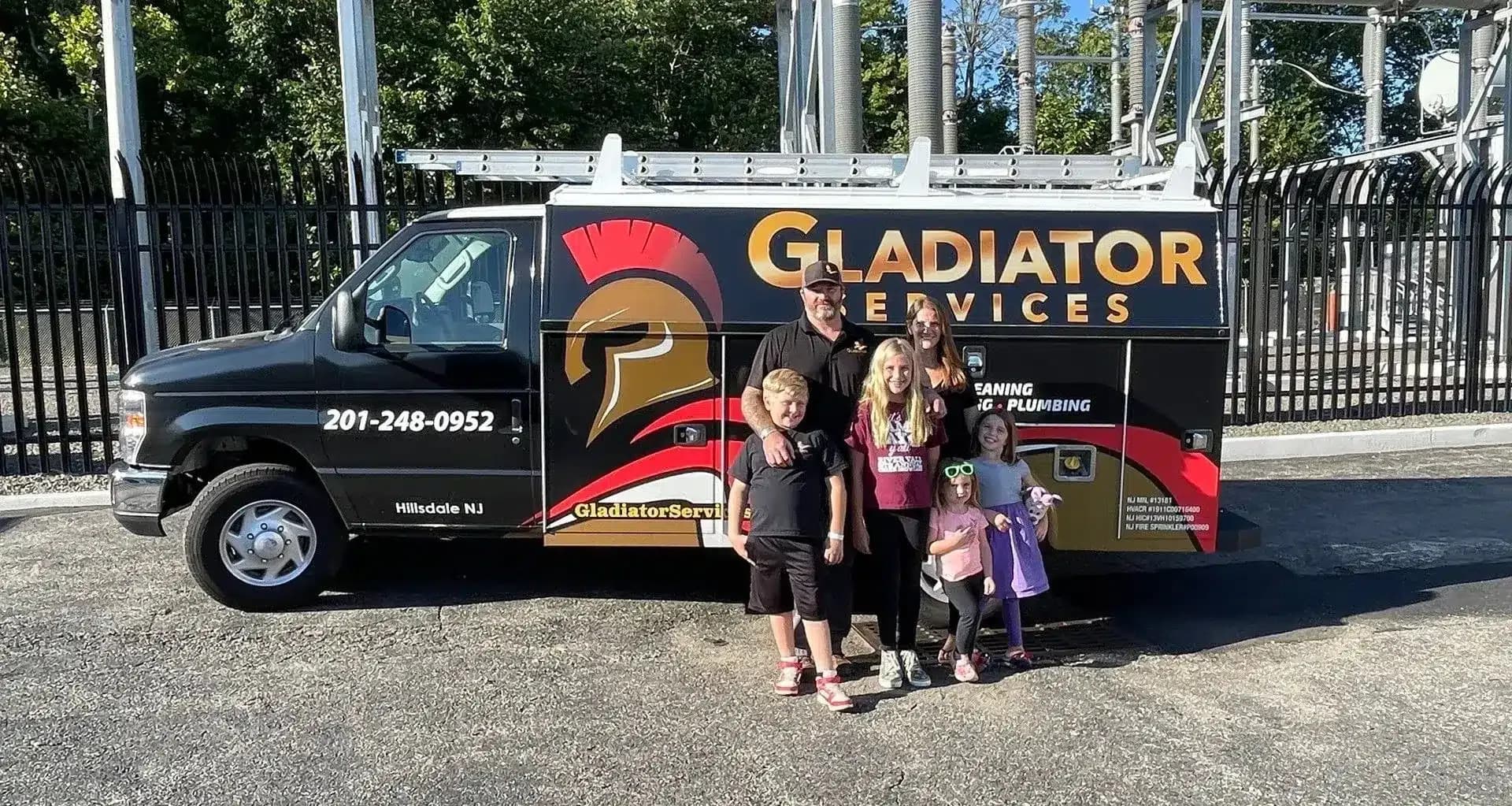
Gladiator Services handles oil to gas conversions from our shop on Patterson Street in Hillsdale, and both halves of the job fall under our own licenses: NJ Master Plumber Lic. #36BI01318100 for the gas piping and HVACR Lic. #19HC00716400 for the boiler or furnace. You won’t need to coordinate a separate plumber and heating contractor. We’re a PSE&G participating contractor, and every installation carries our 5-year labor warranty. Formerly JD Hodges Plumbing and Mechanical, we’re still family owned and local to Bergen County, and our yard sign program supports the Claire Bear fundraising initiative for the Cystic Fibrosis Foundation.
Oil to Gas Conversion
We’re Your Home’s Best Friend
- 24/7 emergency service
- Same-day appointments
- Transparent, upfront pricing
- Still family owned. Still local.
Oil to Gas Conversion in Hillsdale, NJ
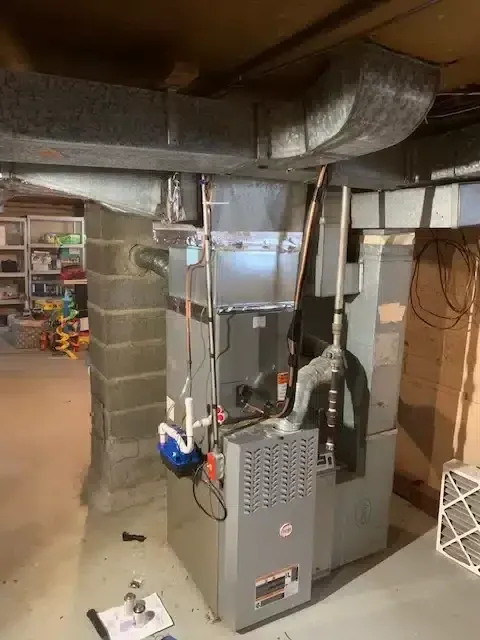
Gladiator Services converts oil boilers and furnaces to natural gas for homes in Hillsdale and across northern Bergen County. A full conversion covers the new gas equipment, interior gas piping, venting, a new source of hot water, and decommissioning your oil tank, along with the permits and PSE&G coordination that tie it all together. It’s one of the larger projects within our heating services, and we manage it from the first site visit through the final walkthrough.

Safety First
Your safety is our top priority. We adhere to rigorous safety standards and proven industry practices to ensure every job is completed securely, safeguarding your home and loved ones.

Upfront Pricing
Say goodbye to surprises. With our transparent, upfront pricing, you’ll always know the cost before we start, giving you peace of mind and no hidden fees.

Honesty & Integrity
We stand by our word. Our team is dedicated to providing honest advice, reliable solutions, and craftsmanship you can depend on, every step of the way.
24/7 Emergency Services
From burst pipes to clogged drains and major leaks, Gladiator Services is your go-to emergency HVAC and plumbing contractor in Hillsdale, NJ. We will make your emergency our top priority.
Our Heating Services
Signs It’s Time to Convert
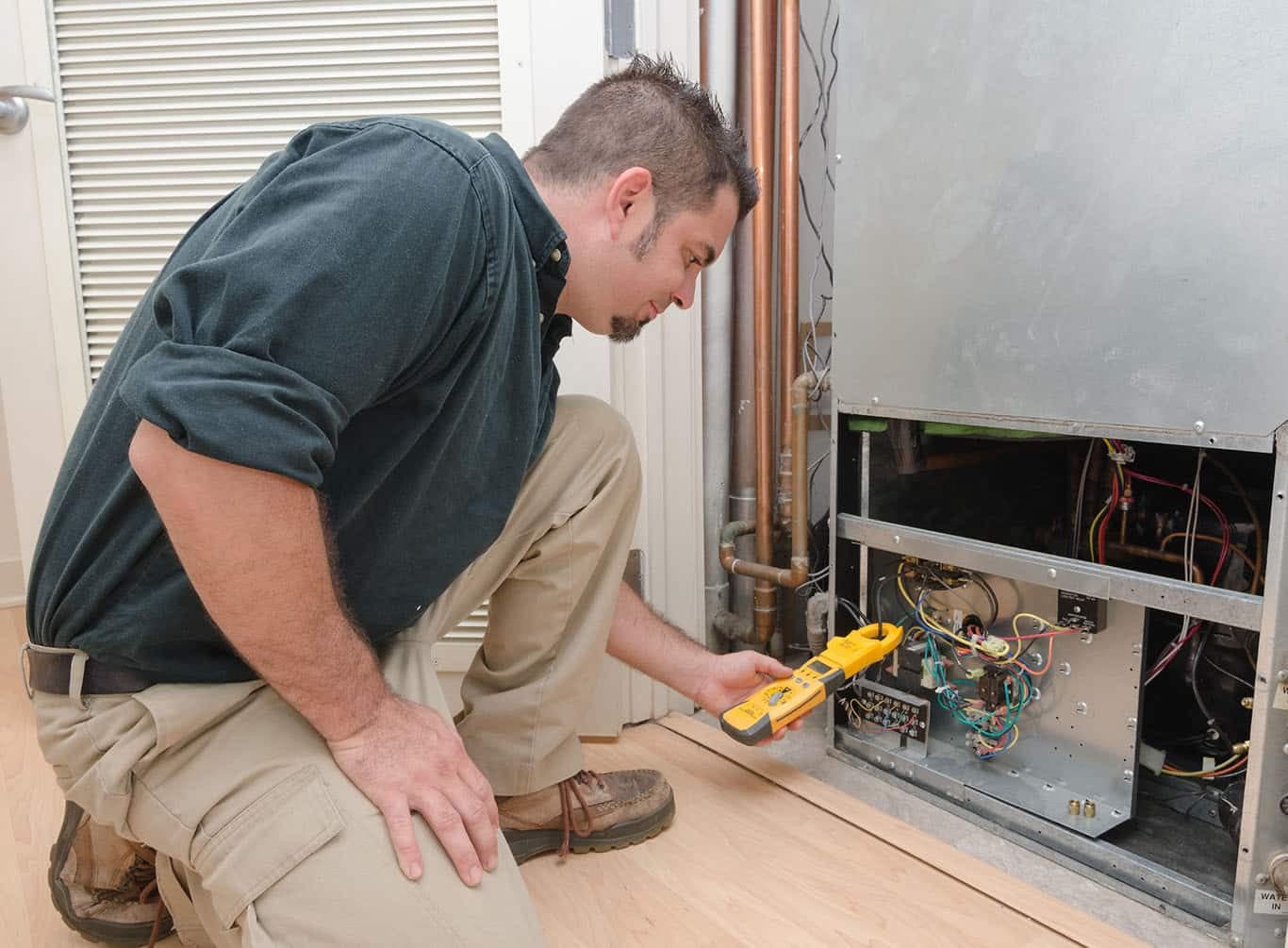
- Your oil boiler or furnace is 20 years old or older
- The burner needs frequent nozzle, filter, or ignition service
- You see soot around the burner or smell oil in the basement
- Your oil tank is rusting, weeping, or buried in the yard
- A home inspection flagged the tank, or you’re getting ready to sell
- Fuel deliveries and price swings make heating costs hard to plan
- You’re replacing a furnace and planning to add central AC anyway
What’s Included in an Oil to Gas Conversion
Every conversion we quote includes the full scope, so you know exactly what’s being done before work starts:
- New gas equipment: a gas boiler, combi boiler, or gas furnace, sized to your home
- Gas piping: from the meter to your new equipment, plus any other appliances you’re switching over
- Venting: a chimney liner for standard-efficiency equipment, or sidewall PVC venting for condensing units
- Hot water: Many oil boilers make domestic hot water with a coil inside the boiler. When the boiler is removed, that hot water source goes with it, so we set you up with an indirect tank, a combi boiler, or a standalone water heater.
- Oil tank decommissioning: aboveground or buried
- Permits and inspections: including coordination with PSE&G for the meter set
What Happens to Your Old Oil Tank
Aboveground tanks, usually in the basement or garage, are pumped out, disconnected, and removed. Buried tanks are handled one of two ways: removed from the ground, or cleaned and abandoned in place according to local requirements. Either way, the work needs a local permit, and soil testing is often part of closing out a buried tank.
If you plan to sell in the next few years, dealing with a buried tank now is worth it. Buyers’ inspectors and homeowners insurance companies routinely flag them, and an unresolved tank can slow down or complicate a sale.

4.9 Star Rating | 298+ Google Reviews

Excellent!!

Always professional

Highly recommend Nick and Gladiator Services. He was punctual, professional, courteous, and extremely knowledgeable. He completed the job neatly and exactly as promised. I will definitely be using them again for future plumbing, AC, and heating needs.

Nick is exactly who you want to come and turn off your fire sprinkler system!! When we completed demolition I called him, he returned within an hour to turn it back on and to make sure everything was working properly, including warning you the alarm will sound as he test the

Luke at Gladiator did an incredible job, sticking exactly to his estimate despite spending hours working through a complicated configuration. He made sure everything functioned perfectly before leaving, and I definitely recommend him.
Great

We had a great experience with gladiator and especially with Nick. He was very responsive to any questions, made sure I understood the process and what we were getting, and made some great suggestions on what to do now vs see what we could tackle later. I definitely appreciated

Always a pleasure to have Gladiator fix an issue at my home. Great communication regarding arrival time. All the techs are polite, neat and get the job done right. Fair pricing as usual. Thank you.

Gladiator Services did a great job. Nick and Luke were highly knowledgeable and efficiently addressed the issues we had with our tub spouts and condensate lines draining into the sewer. They maintained a clean work area throughout the process and took the time to answer all of
Oil to Gas Conversion FAQs
How long does an oil to gas conversion take?
The installation itself usually takes a few days. The longer part is the gas service: PSE&G typically needs four to six weeks to install a new service line, depending on permits and weather. From first visit to running on gas, plan for several weeks to a few months.
How do I know if natural gas is available on my street?
PSE&G can confirm whether there’s a gas main on your street and what it would take to bring service to your house. We help with the application and can tell you during our site visit whether your home is a good candidate.
Can I keep my radiators when I switch to gas?
Yes. A gas boiler connects to your existing radiators or baseboard. We’ll check the radiator sizing to help decide between a condensing and non-condensing boiler.
What happens to my oil tank?
Aboveground tanks are pumped out and removed. Buried tanks are either removed or cleaned and abandoned in place, depending on the property and local requirements, and both options need a permit.
Do I need a chimney liner for a gas boiler?
Most non-condensing gas boilers and furnaces vented through a masonry chimney need a liner to protect the chimney from moisture in the exhaust. Condensing units usually vent through a sidewall with PVC pipe and don’t use the chimney at all.
What about my hot water after the oil boiler is removed?
If your oil boiler made your hot water through an internal coil, you’ll need a new source. Common options are an indirect tank connected to the new boiler, a combi boiler, or a standalone gas water heater.
Is there a federal tax credit for converting in 2026?
No. The federal 25C energy efficiency tax credit ended after 2025, so heating equipment installed in 2026 doesn’t qualify. PSE&G instant rebates may still apply to eligible equipment.
Should I convert to gas or a heat pump?
It depends on your home, your heating system, and your goals. Gas works with existing radiators and handles cold snaps easily, while heat pumps tend to qualify for larger utility incentives. A hybrid system that pairs the two is another option.
Do I need permits for an oil to gas conversion in NJ?
Yes. Gas piping, new heating equipment, and oil tank work all require permits and inspections, and PSE&G won’t set your meter until the inspections are approved. We pull the permits and schedule the inspections for you.
Benefits of Converting to Natural Gas
- Oil deliveries stop, along with watching the tank gauge in January
- Gas burns cleaner than oil, which means less soot and less routine burner cleaning
- Modern condensing gas boilers and furnaces reach 95% efficiency or higher, well above most older oil equipment
- Your basement gains space once the oil tank is gone
- A buried tank stops being a liability before you sell
- Your heat and hot water no longer depend on a delivery schedule
Choosing Your New Gas System
If your home has radiators or baseboard heat, a gas boiler lets you keep your existing distribution system. The main decision is between a condensing (mod-con) boiler and a non-condensing one. Condensing boilers are most efficient at lower water temperatures, which works well in many homes with generously sized cast-iron radiators. Homes that need high water temperatures to stay warm may be better served by a non-condensing boiler with a chimney liner. Steam systems need a gas steam boiler, and the conversion process for steam differs from a hot water system.
A combi boiler handles both heat and hot water in one wall-hung unit. With the oil tank and old boiler gone, it can free up a good portion of your basement. Combis work best in homes where hot water demand is moderate, since they heat water on demand rather than storing it.
Homes with ductwork switch to a gas furnace. If your central AC is also getting older, replacing the furnace and air conditioner together lets us match the system and coordinate the work into one project.
Some homeowners switching away from oil look at a cold-climate heat pump instead of gas, or a hybrid setup that pairs a heat pump with gas backup for the coldest days. New Jersey utility incentive programs generally offer more for heat pumps than for gas equipment, and which program applies depends on your electric utility. We’ll walk you through the options so you can compare them side by side.
Convert Now or Stay on Oil?
A good rule of thumb: if your oil equipment is 20 years or older and needs a major repair, or your tank needs replacing, it’s time to convert. Paying for a new burner or a new oil tank on an aging system puts money into a setup you’ll likely replace within a few years anyway.
Staying on oil for now can make sense if your oil system is fairly new, running reliably, and the gas service run to your house would be long or expensive. We’ll give you an honest read either way.

Financing
Gladiator Services partners with GreenSky to offer flexible financing options, making it easy to tackle unexpected plumbing or HVAC repairs with convenient payment plans.
View OptionsOur Oil to Gas Conversion Process
- Site visit: We confirm gas availability, inspect your chimney, oil tank, and radiators or ductwork, and talk through what you want from the new system.
- Heat loss calculation and recommendation: We size the equipment and give you a flat-rate quote before any work begins.
- Gas service application: We provide the load details PSE&G needs, and they schedule installation of your gas service line.
- Installation: We install the new equipment, gas piping, venting, and hot water system.
- Inspections and meter set: Your town inspects the work, and PSE&G sets the new gas meter once all approved inspections are received.
- Startup and walkthrough: We fire up the system, decommission the oil tank, and show you how everything works.
Because of the utility lead time, starting in late summer or early fall gives you the best chance of being on gas before the cold sets in. Keep your oil deliveries going until the gas is turned on and your new system is running.

Serving Hillsdale & Northern Bergen County
Our trucks are out in Hillsdale and the surrounding towns every day, and we handle oil to gas conversions throughout northern Bergen County, including:
Why Choose Gladiator Services for Oil to Gas Conversion in Hillsdale
Cost & Financing
Conversion costs depend on whether PSE&G needs to run a new service line, boiler versus furnace, condensing versus standard efficiency, chimney liner or new venting, hot water replacement, steam versus hot water heat, and whether your tank is aboveground or buried. You’ll get a flat-rate quote up front. Financing is available through GreenSky for approved applicants, and as a PSE&G participating contractor, we’ll check whether your new equipment qualifies for up to $1,050 in instant rebates. The federal 25C tax credit ended after 2025, so there’s no federal credit for heating equipment installed in 2026.
Ready to Switch to Natural Gas?
If you’re tired of oil deliveries, dealing with an aging boiler, or getting a house ready to sell, an oil to gas conversion solves several problems at once. Book online or contact Gladiator Services to schedule a site visit.
We’ll check gas availability at your address, look at your current system, and give you a clear plan and a flat-rate quote.

Now Hiring
At Gladiator Services, we offer excellent benefits and opportunities for growth. Submit an application and join our team of Hillsdale HVAC and plumbing experts today!
Apply NowJoin the Home Shield Club
The Gladiator Home Shield Club Membership allows you to keep your plumbing and HVAC systems in excellent condition all year. Our membership includes seasonal heating and cooling performance inspections, free diagnostics on basic service calls, priority scheduling, and a 10% discount on service calls.
Sign Up Today All Service Areas
